Speed Baccarat No Squeeze: Who Prefers It?
The squeeze is dead weight for a specific breed of player, and the no-squeeze variant exists precisely because that breed now dominates high-volume tables. Strip away the ceremonial card-peel and you are left with a pure math engine: eight decks, fixed rules, and a resolution speed that punishes anyone still clinging to superstition. This isn't a watered-down game for casuals. It's a precision instrument for bettors who treat variance as a resource, not a ritual.
The Mechanics That Kill the Theater
Standard baccarat forces a physical pause. The player squeezes, the table leans in, and the shoe crawls forward at maybe forty hands per hour on a good night. Speed baccarat no squeeze torches that entire sequence. Cards flip instantly, the dealer resolves the hand, and the shoe advances. You're looking at eighty to a hundred hands per hour — double the throughput, double the decision frequency, and zero dead time for the pit to watch you sweat. The house edge doesn't move a fraction of a percent, but your exposure per hour doubles. That's the entire trade: more hands, more variance, no ceremony.
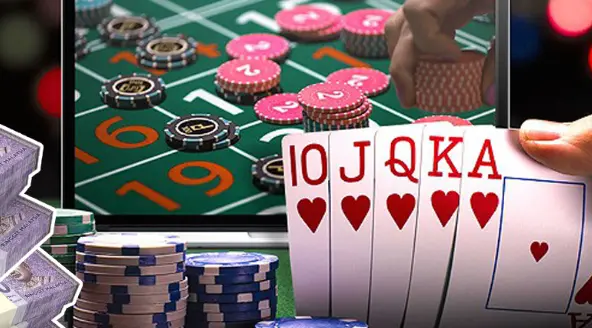
Who Actually Sits Down at These Tables
Three profiles dominate. First, the algorithmic bettor running flat-bet progressions who needs volume to smooth out short-term noise — they want hands, not theater. Second, the short-session grinder with forty-five minutes and a hard stop-loss, because no-squeeze compresses a three-hour session into ninety minutes of actual play. Third, the side-bet hunter watching tie and pair frequencies; faster shoes mean faster cycles, and cycle speed is everything when you're tracking streaks. What these three share is contempt for the squeeze ritual and a spreadsheet mentality. 🎯
Why the Squeeze Crowd Won't Touch It
Traditionalists despise no-squeeze tables for reasons that are entirely emotional. The squeeze creates a false sense of agency — the illusion that peeling a card slowly changes its value. It doesn't. The RNG or the shoe doesn't care about your theatrics. But that dopamine drip is real, and for recreational players the ritual is the product. No-squeeze strips the product down to its core and dares you to care about the math instead. Most can't. The ones who can are exactly the players the variant was built for. 💡

The Banker Bet Math Doesn't Care About Speed
Here's the brutal truth nobody at the felt wants to hear: the banker bet's 1.06% house edge on a standard eight-deck game stays frozen whether you play twenty hands or two hundred. Speed changes nothing in the odds column. What it changes is your bankroll's exposure curve. A player betting a hundred per hand at forty hands per hour risks four thousand per hour in action; at ninety hands per hour that jumps to nine thousand. The no-squeeze table doesn't make you money faster — it makes you lose faster if your edge is negative. That's why the sharpest players treat it as a tool for clearing wagering requirements or exploiting comp structures, not a path to glory. 🔥
Table Selection and the Real Edge
If you're chasing a no-squeeze table, hunt for the ones with a commission structure that matches your bet sizing and dealers who don't stall between hands. A fast shoe is worthless if the pit slows the pitch. The variant rewards disciplined bankroll management above all else — fixed units, hard stop-losses, and zero martingale nonsense. The squeeze crowd can keep their theater. The math crowd takes the volume and lets the variance do the work.