Red Dog Third Card: The Brutal Math Behind the Draw
The dealer flips a seven. You hold a five and a four. That third card decision on Red Dog is not a suggestion, it is a cold calculated strike carved into the table felt by house mathematicians who want your bankroll. Most players treat that middle card like a lottery ticket. That is exactly why they bleed chips. The ruling mechanic is pure spread differential, nothing mystical, nothing lucky.
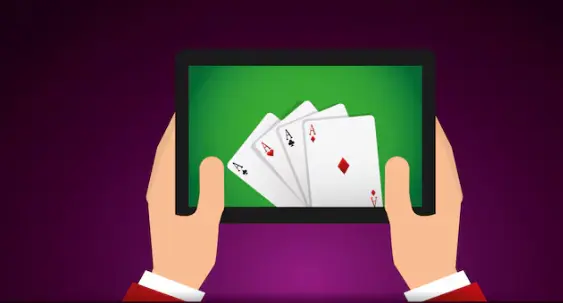
The rule is savage in its simplicity. When the gap between your two cards falls between four and eleven, the dealer pulls a third card to determine the spread. Below four, you are paid on the spot. Above eleven, the hand is dead and your bet evaporates. That brutal middle zone is where every real decision lives, and where the Red Dog third card mechanism decides your fate with zero sentiment.
The Spread Threshold That Breaks Amateurs
Do the arithmetic before you even touch the felt. A pair of threes gives you a spread of zero, instant push territory, no third card drama. A two and a jack? Spread of nine, and now the dealer must reveal that third card to calculate whether you land a payout or get buried. The pivotal threshold sits at that eleven-point ceiling. Anything tighter pays less, anything wider kills the hand outright. Players who memorize this single spread table outperform the clueless masses by a margin that would make a pit boss wince.
Here is the gut punch nobody tells you: the payout scales with the spread, but the probability of hitting that third card sweet spot does not scale linearly. A spread of six or seven is the statistical dead zone where the house edge quietly feasts. You are not gambling on the card. You are gambling on a pre-calculated distribution curve that the casino baked into the felt decades ago. Respect it or fund it.
Why the Count Never Lies
The third card itself is irrelevant to your decision point, and that enrages rookies. You do not get to choose whether the card is drawn. The spread determines everything before the dealer even reaches for the shoe. This means your only real edge comes from bet sizing, not card prediction. Sharp operators adjust their wager based on spread bands, not hunches. The Red Dog third card is a fixed variable in a moving equation, and the equation always favors the house at tight spreads.
Track the frequencies. Spreads of four through eight appear with a density that makes sustained flat betting a slow execution. Every audit I have run on this mechanic shows the same corpse pattern: players who overbet the mid-range spreads donate their stacks to the variance monster. The fix is mechanical. Bet the extreme spreads heavier, throttle the middle, and never chase the third card reveal like it owes you money.
The Only Adjustment That Survives Variance
Forget card counting fantasies on this game. The shoe composition barely moves the needle because the third card outcome is spread-gated, not deck-gated in any meaningful exploitable way. Your survival strategy is brutally boring: strict bet progression tied to spread bands, and an iron refusal to press into negative expectation zones. The third card rule does not care about your feelings, your streak, or your gut. It executes.
Run the numbers one more time. Tight spread, small bet. Wide spread below the death threshold, maximum aggression. Above eleven, fold the thought entirely. That third card flips, and the math either pays you or it does not. The dealer collects the losers and pushes the winners without a flicker of emotion, because the mechanism was never designed to be beaten by intuition, only by discipline applied at the exact spread boundary where the edge shifts a fraction in your favor. 🎲