How to Get a Dedicated Live Casino Dealer: The Insider's Roadmap to Private Tables
The demand for an exclusive, private gaming environment has skyrocketed among high-stakes players. Securing a dedicated live casino dealer is no longer a privilege reserved for VIPs in Macau or Monaco; it is a strategic move for any serious bettor seeking control, privacy, and tailored pacing. 🎲 This guide dissects the exact operational and technical pathways to acquire a personal dealer, from platform negotiation to hardware synchronization.
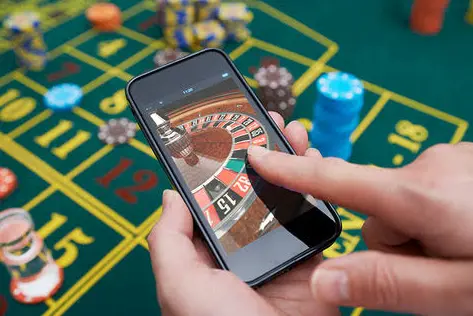
The Operational Distinction: Studio versus Private Dedicated Dealer
Understanding the infrastructure is critical. A standard live dealer streams from a shared studio floor where the croupier rotates between dozens of tables. In contrast, a dedicated dealer operates solely for your table, your rules, and your session duration. This requires a private studio room, a dedicated camera crew, and a secure data line. The latency difference is negligible, but the psychological edge is immense. You dictate the speed of the shoe, the limits, and even the ambient lighting. Platforms categorize this as a "Private Table" or "Exclusive VIP Room" service, often hidden behind account manager approvals.
Negotiating Your Private Table: The Account Manager Gateway
You cannot simply click a button to summon a dealer. The acquisition process begins with a formal request to your operator's VIP desk. Here is the technical breakdown of the request protocol:
First, your wagering volume must meet a liquidity threshold, typically ranging from €50,000 to €500,000 in monthly turnover, depending on the provider's risk model. Second, you must specify the game variant—whether it is No Commission Baccarat, Double-Zero Roulette, or a custom Blackjack shoe penetration. The operator then allocates a dedicated dealer from their licensed pool. This is not a simulation; it is a real human being physically present in a partitioned studio, streamed via a dedicated RTMP feed with redundant failover.

Technical Requirements and Latency Optimization for Dedicated Feeds
Once approved, the technical integration phase begins. A dedicated feed consumes significantly higher bandwidth than a shared table. You will require a stable fiber connection with a minimum of 50 Mbps upload/download and sub-20ms ping to the provider's edge server. The provider will often assign a dedicated IP tunnel to your device to prevent DDoS interference and ensure frame-rate stability at 60 FPS. Furthermore, the dealer's actions are synchronized with your interface via an API handshake that validates each card draw and wheel spin against a certified RNG seed, ensuring the integrity of the dedicated live casino dealer experience is mathematically verifiable.
Cost Structures and Contractual Nuances for Exclusive Dealers
Acquiring a dedicated dealer involves a tiered cost model. Some operators levy an hourly "table fee" ranging from €50 to €200 per hour, independent of your bets. Others embed the cost within a reduced commission structure or a higher minimum bet requirement. The contract must specify the dealer's shift duration, language proficiency, and the procedure for handling dealer errors—a rare but critical clause. Always request the "Studio Allocation Agreement" which outlines the physical security and biometric access controls for the private room. 💎
Strategic Advantages: Why High Rollers Demand This Service
The primary advantage is informational security. On a public table, your betting patterns are visible to all. On a dedicated table, your strategy remains opaque. Additionally, the dealer can be instructed to adhere to specific cultural rituals or superstitions, such as burning a card or passing the dice in a particular manner. This psychological comfort often translates to longer, more disciplined sessions. For the professional player, the dedicated dealer functions as an extension of their own bankroll management system, eliminating the chaotic variables of a multi-player environment.

Ensuring Regulatory Compliance and Fair Play Certification
Every legitimate dedicated dealer setup must operate under a jurisdiction-specific gaming license, such as the Malta Gaming Authority or the UK Gambling Commission. The studio must display the license number and undergo monthly audits by independent testing agencies like eCOGRA or BMM Testlabs. Before committing, request the "Live Dealer Integrity Report" which details the random number generation certification and the dealer training logs. Without this, your private table lacks legal recourse in the event of a dispute. The dedicated live casino dealer is not merely a service; it is a regulated financial instrument of the gaming world.
Future Trends: AI-Assisted Dealers and Biometric Verification
The landscape is shifting toward hybrid models. Emerging technologies now allow for AI-assisted dedicated dealers who track your biometric responses via webcam to adjust pacing. However, the human element remains paramount for high-stakes psychology. The next evolution involves blockchain-verified shoe shuffles and dealer identity NFTs to prevent impersonation. As you negotiate your dedicated table, inquire about the provider's roadmap for these integrations; the smartest players secure not just a dealer, but a technological partnership. 🚀